
In short
A single garden shrub is normally a one-visit job: cut the top down, dig or winch the rootball out, level the ground and take the waste away. What stretches it is the size and age of the root system, how many plants there are, and whether the stump needs grinding out rather than digging.
This is a job for my Bush removal service.
Published · Last updated
What the job involves
Taking a bush out is three jobs, and the first is the quick one. Cutting the top growth down to a stump is minutes with a saw. Getting the roots out is where the time goes: a young shrub lifts with a fork and a spade, but a mature laurel, pyracantha or old rose that has been in for twenty years has a woody rootball that has to be dug round, cut through and levered out. Then the hole is backfilled, the ground levelled and the waste loaded and removed.
What makes it longer
- Age and species. Anything that has been in the ground for decades, or that suckers and spreads like lilac, bamboo or snowberry, has roots well beyond the plant.
- Ground conditions. Fen silt digs easily. Heavy clay in winter does not, and neither does baked ground in a dry August.
- Access. Waste has to come out through the house or down a side passage on some of the terraces in Wisbech and King's Lynn, which adds handling time.
- Numbers. A row of ten overgrown shrubs along a fence is a different day from one in the middle of a lawn.
- Stumps. Checkatrade's shrub removal guide notes that mature shrubs may need a stump grinder to get the roots out properly, priced separately, and that a stump left in the ground risks regrowth, pests and disease.
Do the roots have to come out?
Where practical I clear the roots so the area is ready to reuse, and I say practical because for very large established stumps I assess first. If you want to replant straight away or lay turf, the roots need to come out. If the corner is going under a shed base or gravel, cutting the stump low and treating it may be enough and saves the digging.
Timing through the year
Checkatrade's guide makes the point I make to customers: birds may be nesting in larger shrubs through spring and summer, so autumn and winter are the better time to take them out. The ground is also softer for digging then, and you are ready to replant in spring. I do remove shrubs in summer, but I check them for nests first and will hold off if one is in use.
What you are left with
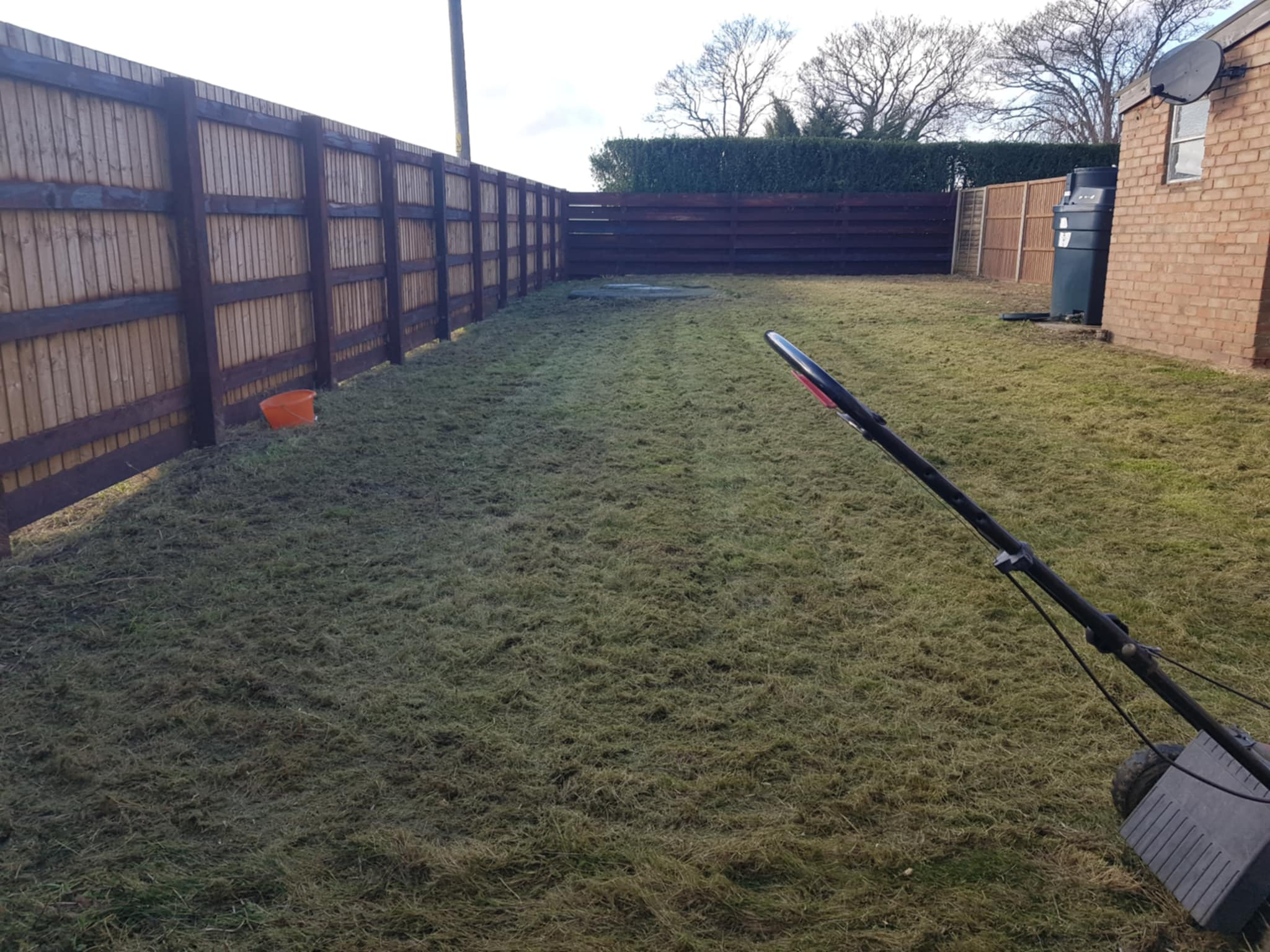
Level ground, the soil forked over and cleared of the bigger roots, and all the green waste gone. If you would like the space replanted, turfed or gravelled, tell me before I start and I will prepare it accordingly. The disruption is a few hours of sawing and digging and a loaded trailer leaving; there is nothing that stops you using the rest of the garden while I work.
For a straight answer on your own shrub, a photo with something for scale is enough for me to say whether it is a morning, a day, or one that needs grinding equipment.